
1996
photos © Stéphane Marie
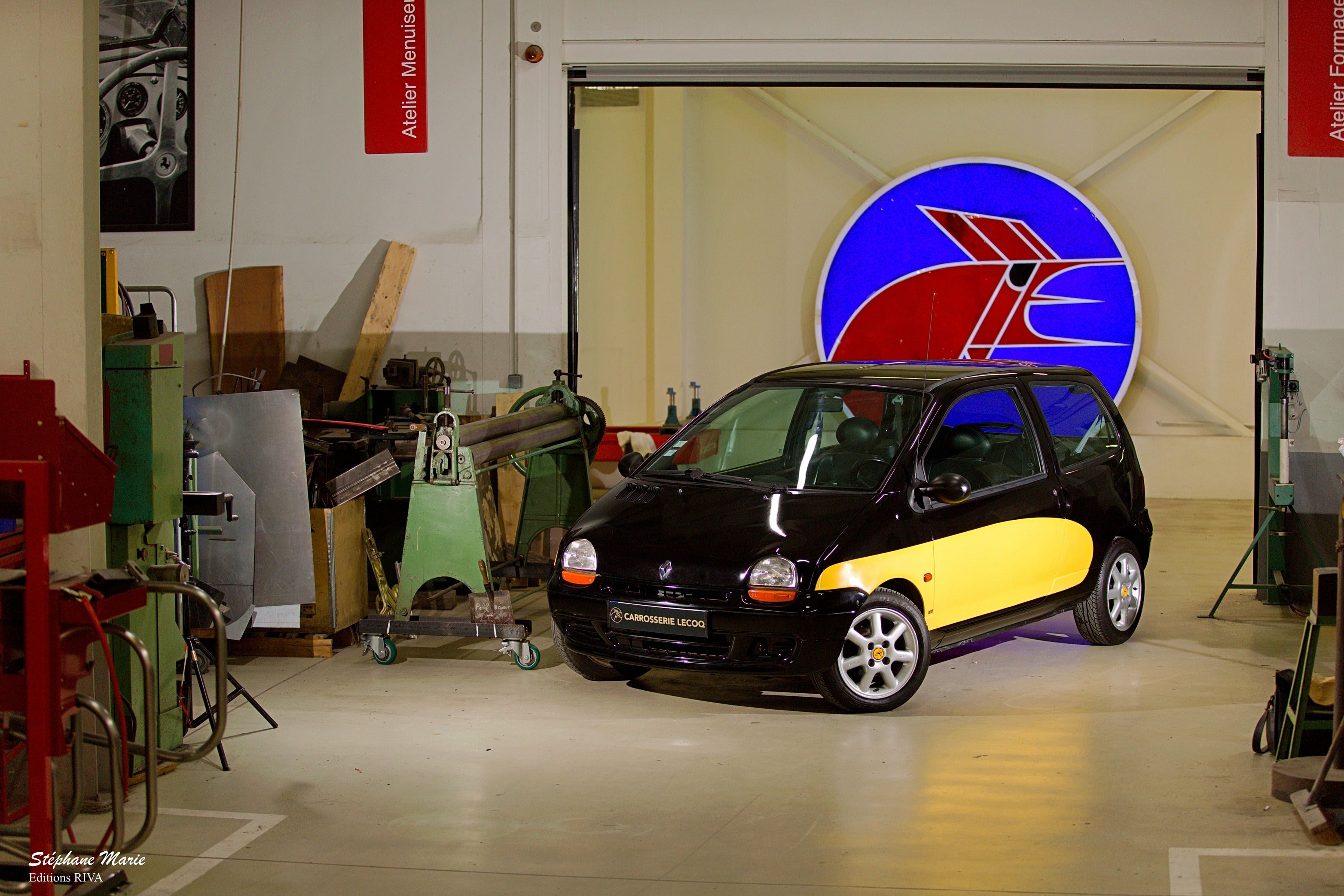
Launched in 1993, the Twingo would not see a "luxury" version until 1999 in an Initiale trim. In the meantime, Renault had released two very "fashion-forward" versions, the Twingo Kenzo in 1995 and the Twingo Elite in 1997. Although the small car was aimed particularly at female buyers, Renault did not think it necessary to offer a high-end version right away. This did not escape the attention of coachbuilder Lecoq, who made it his mission to produce "his" version.
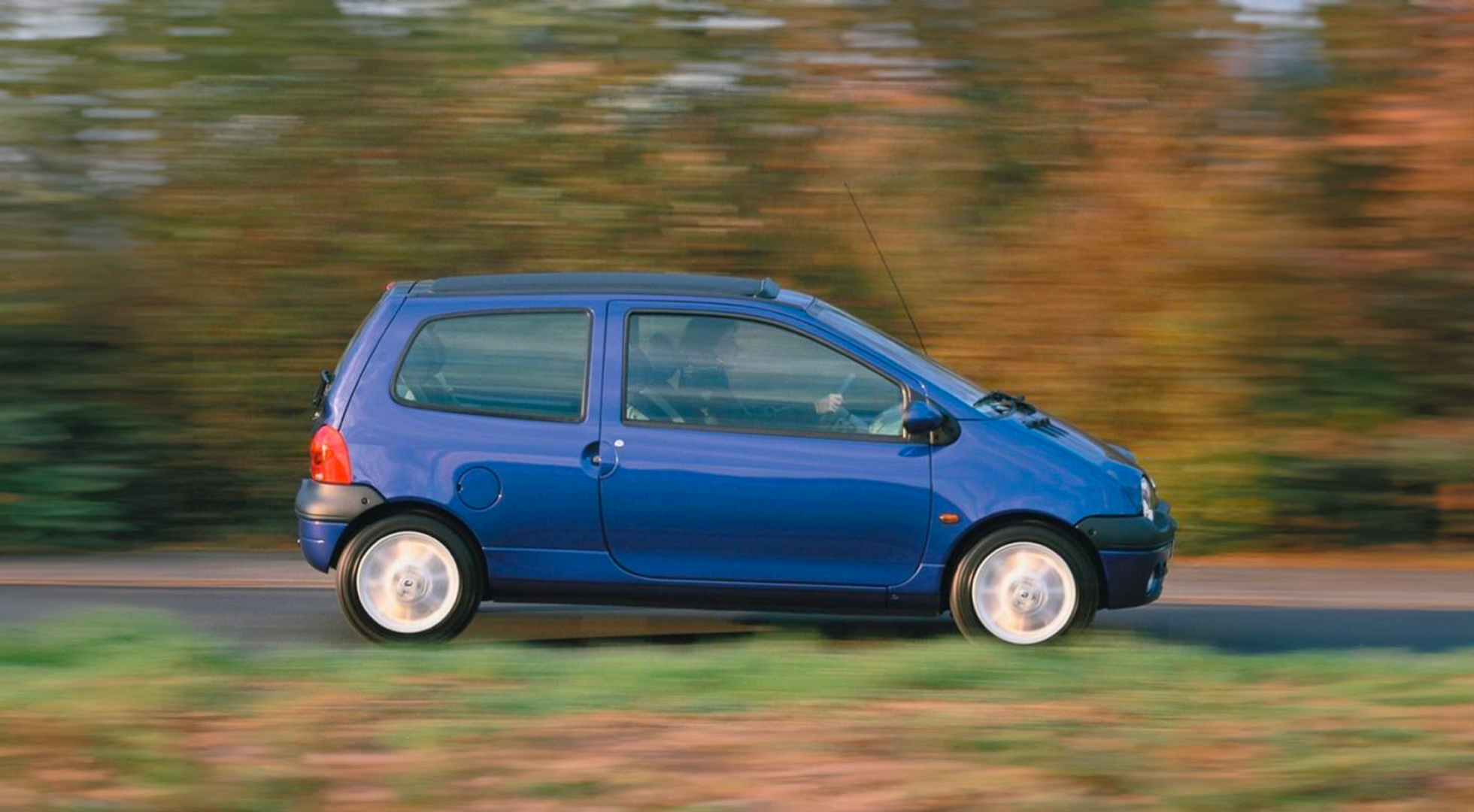
Before
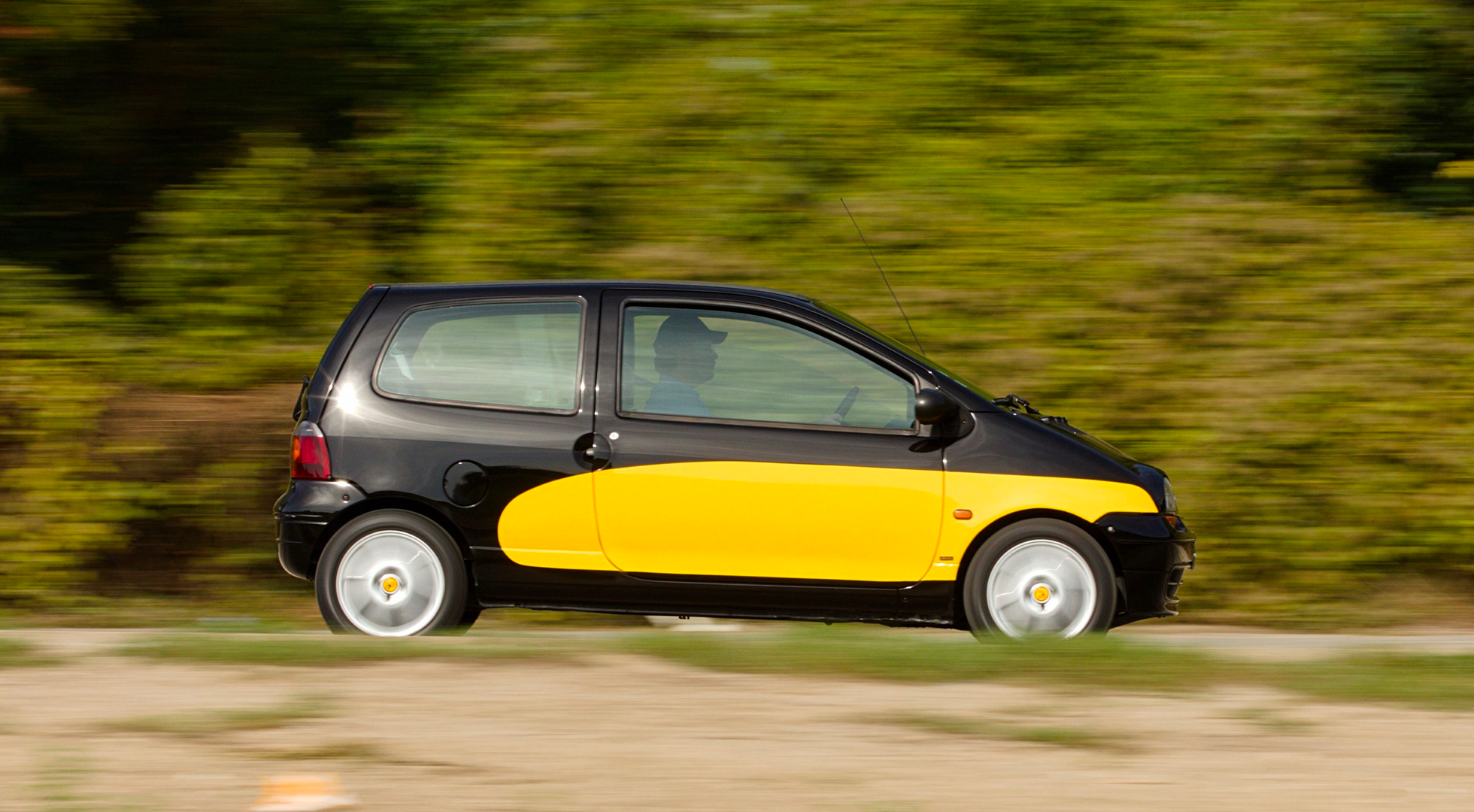
After
A popular car, certainly, but also and above all a city car with a charming face, it managed to win over Madame, who found it ideal for doing her shopping on the Rue de Passy. In 1995, Lecoq saw it as a way to get people talking about him again, his glory days being part of the past, having settled for a vintage car restoration business.
For his "luxury" Twingo, André Lecoq drew inspiration from a renowned French brand, Bugatti. It is its two-tone "polished-gloss" paintwork, in the style of the extremely rare pre-war Royales, that identifies Lecoq Twingos. To this are added 14-inch BBS rims inspired by those of the Bugatti EB110, adorned with the Lecoq logo and bearing the "Bugatti" lettering, and aluminum grilles replacing the plastic vents on the hood. To ensure its distinctiveness, a Lecoq monogram completes the specific exterior equipment.
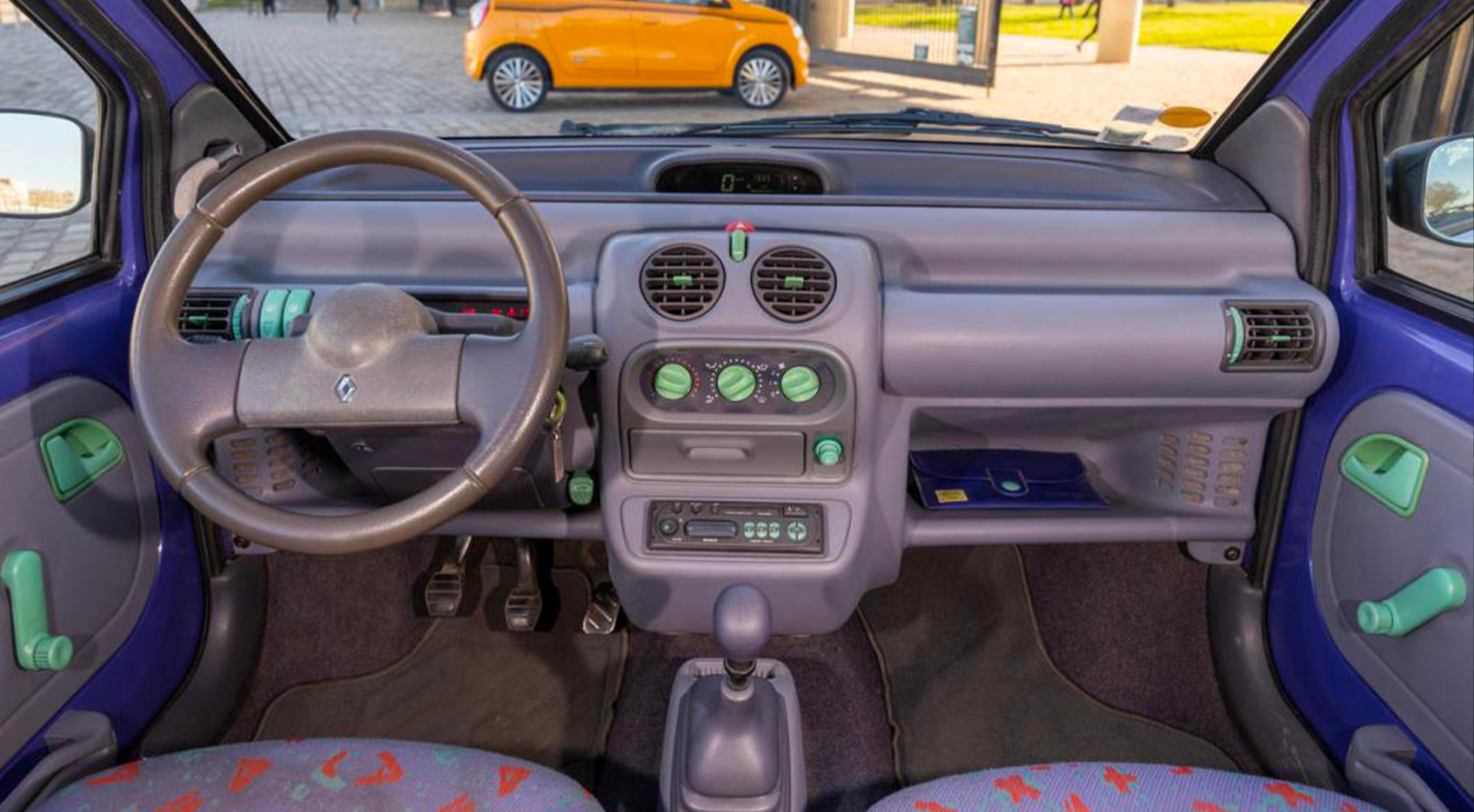
Before
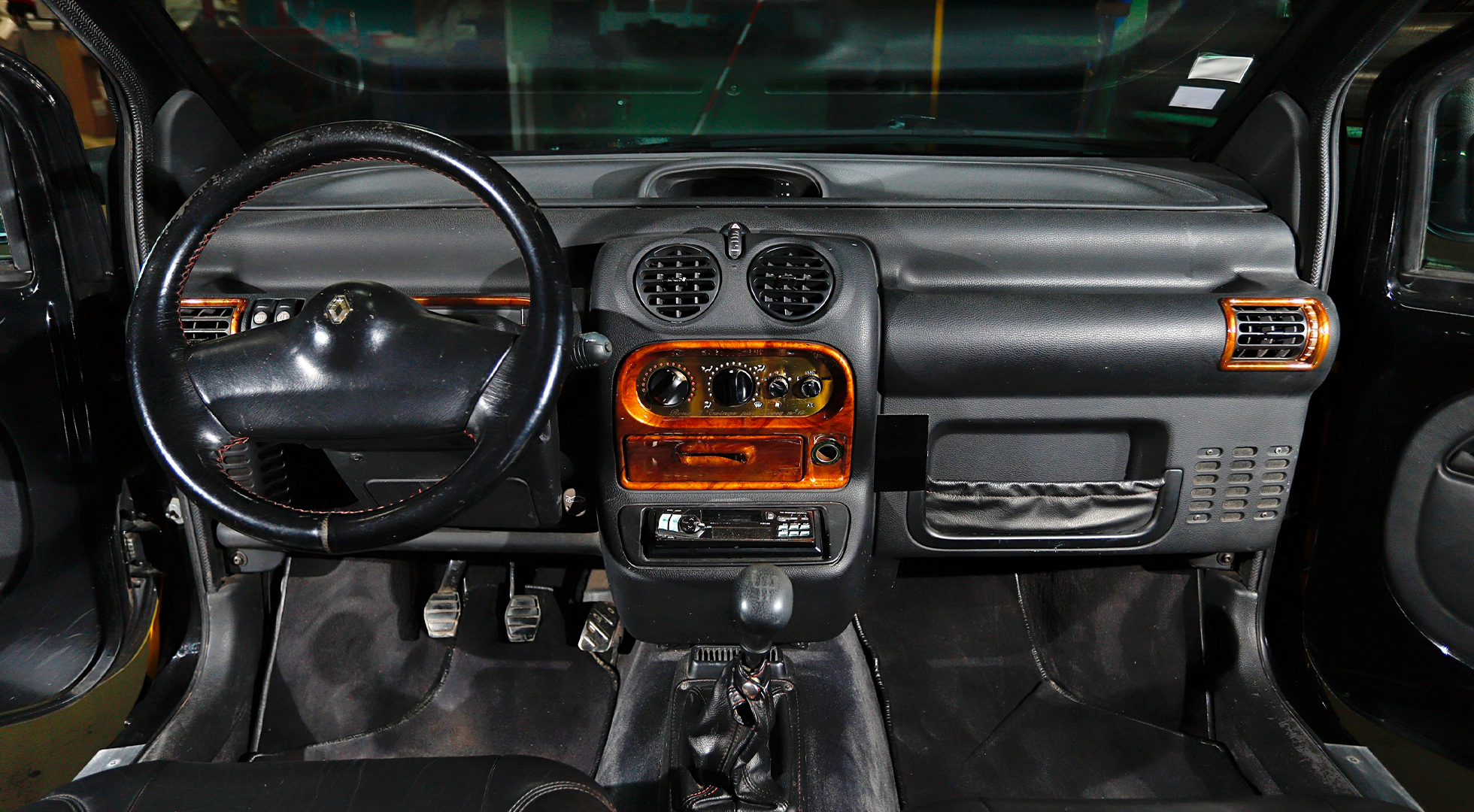
After
The interior is also completely redecorated:
- The foam is replaced and the side support is reinforced.
- The seats are upholstered in leather.
- A leather-covered storage compartment is added between the seats.
- The steering wheel and gear shift boot are also covered in leather and all the controls, initially blue, are painted black.
- Walnut burl-effect trim appears in the interior and a brass numbered plate is affixed to the ventilation control panel.
- Leather-trimmed floor mats are added over the carpets.
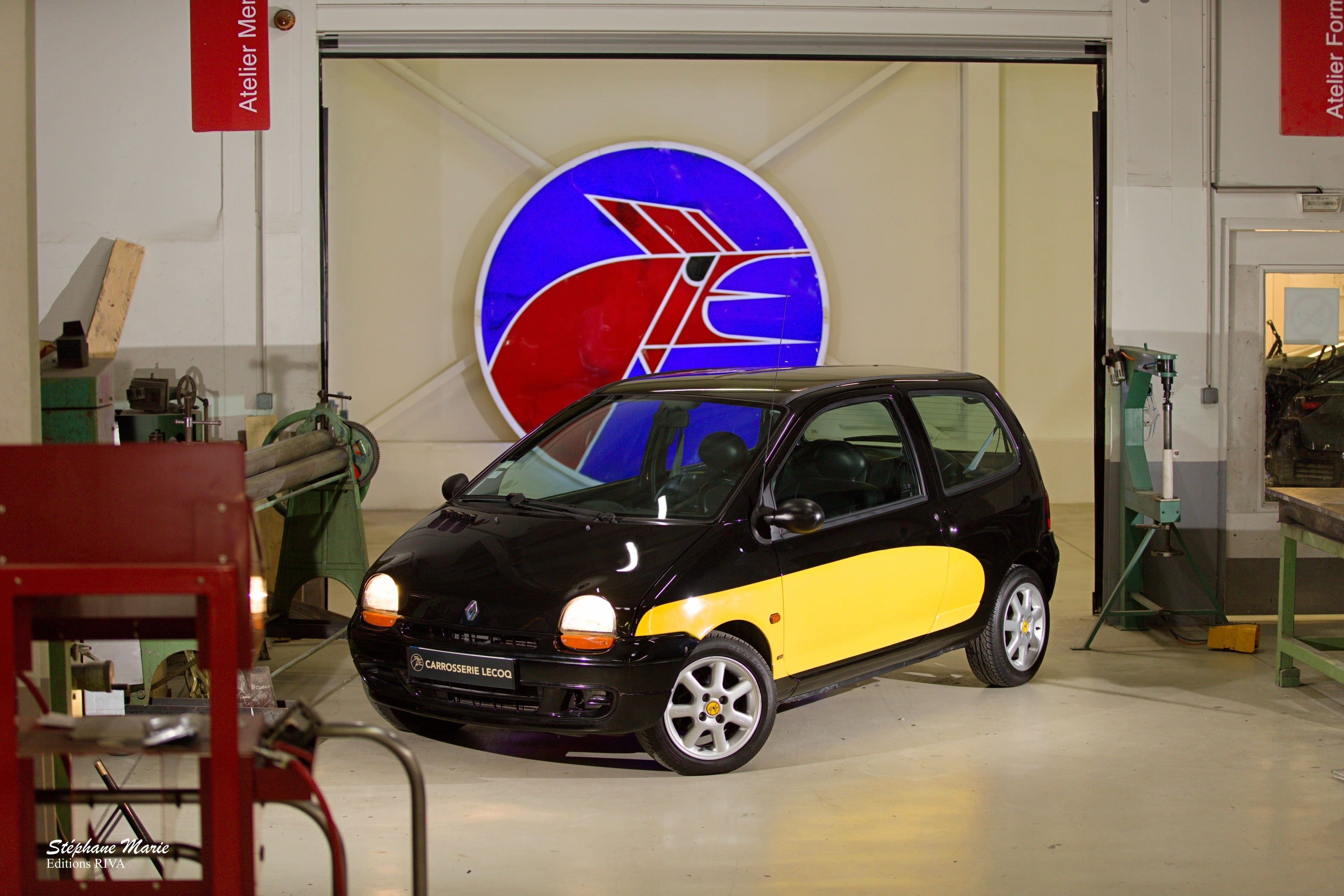
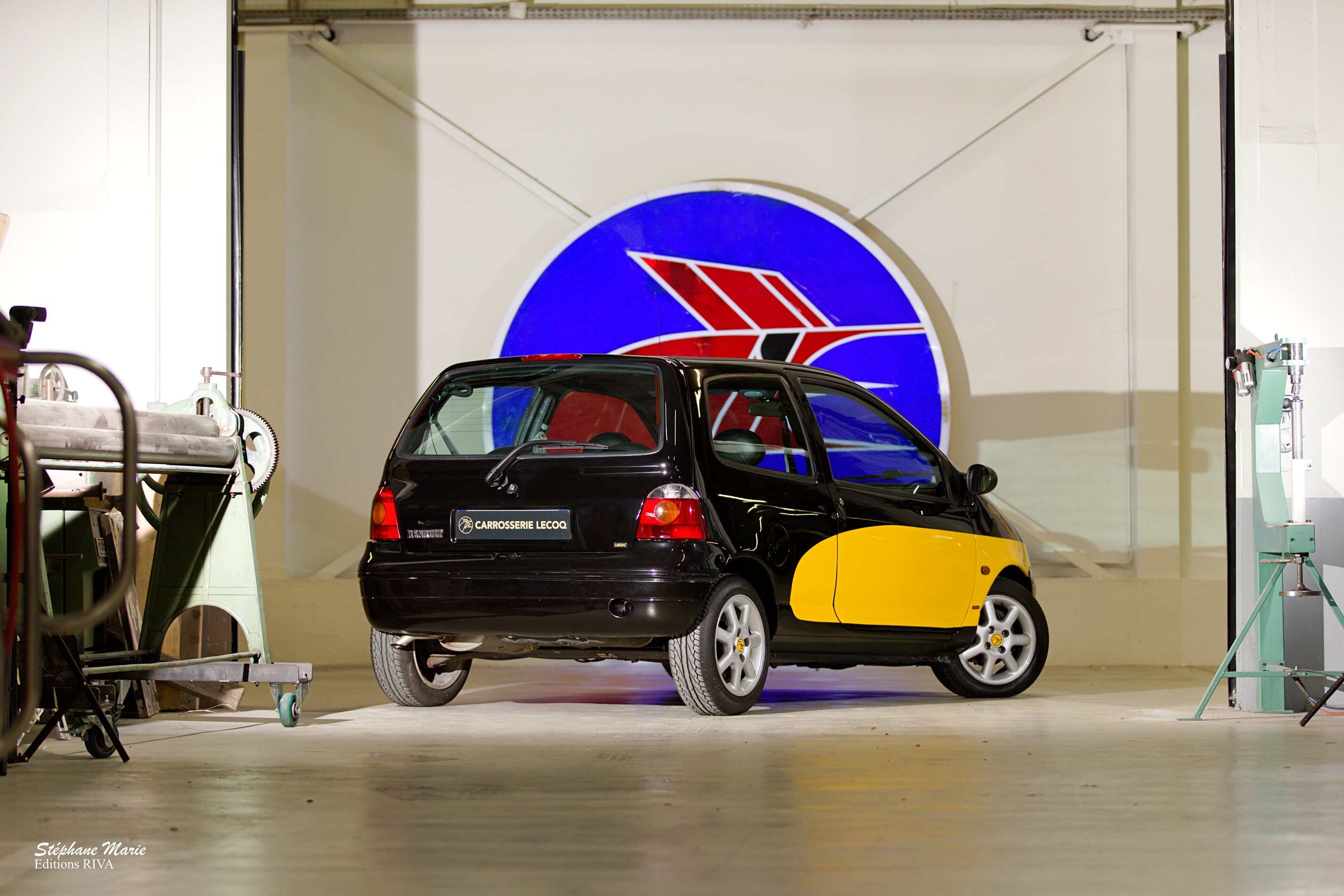
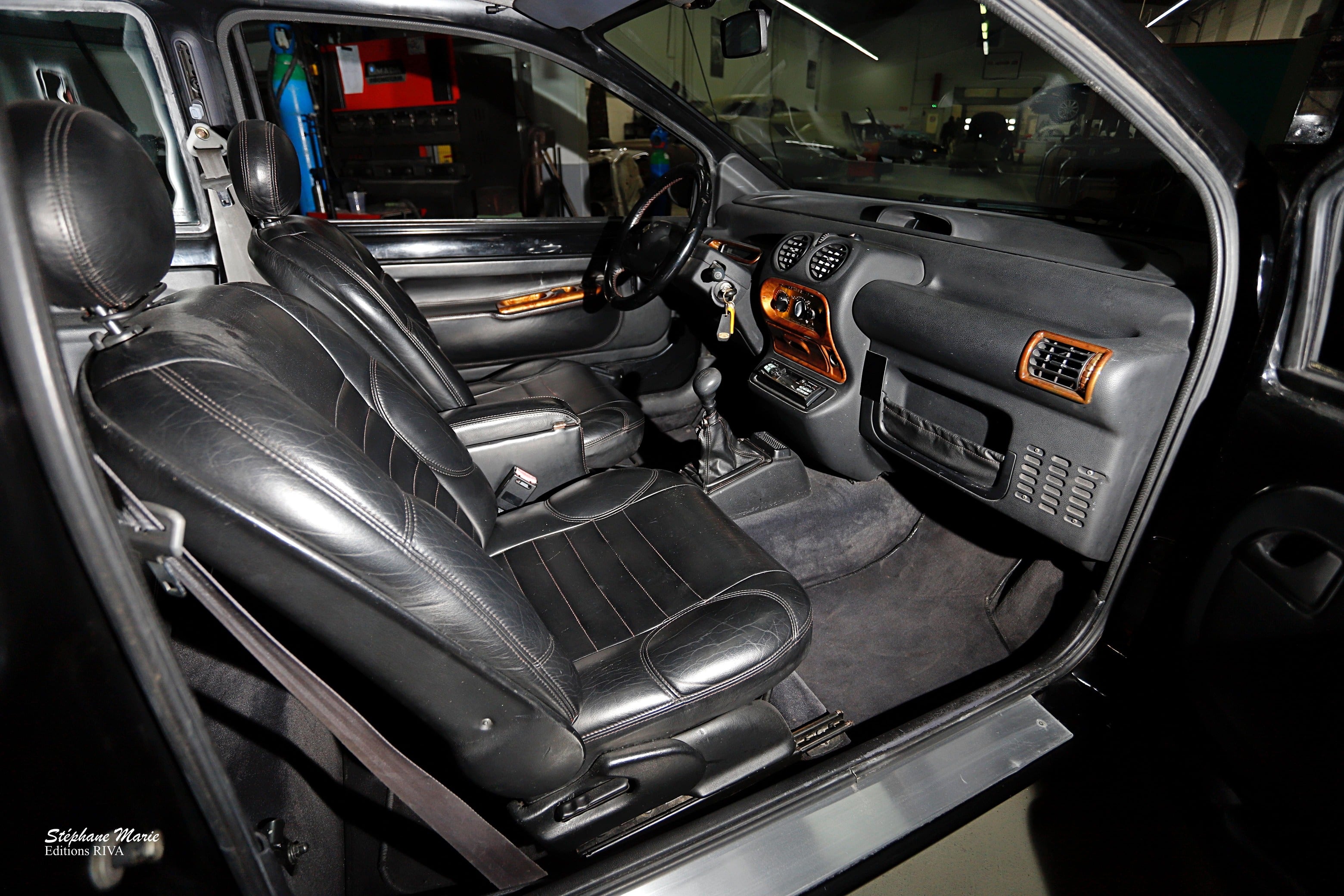
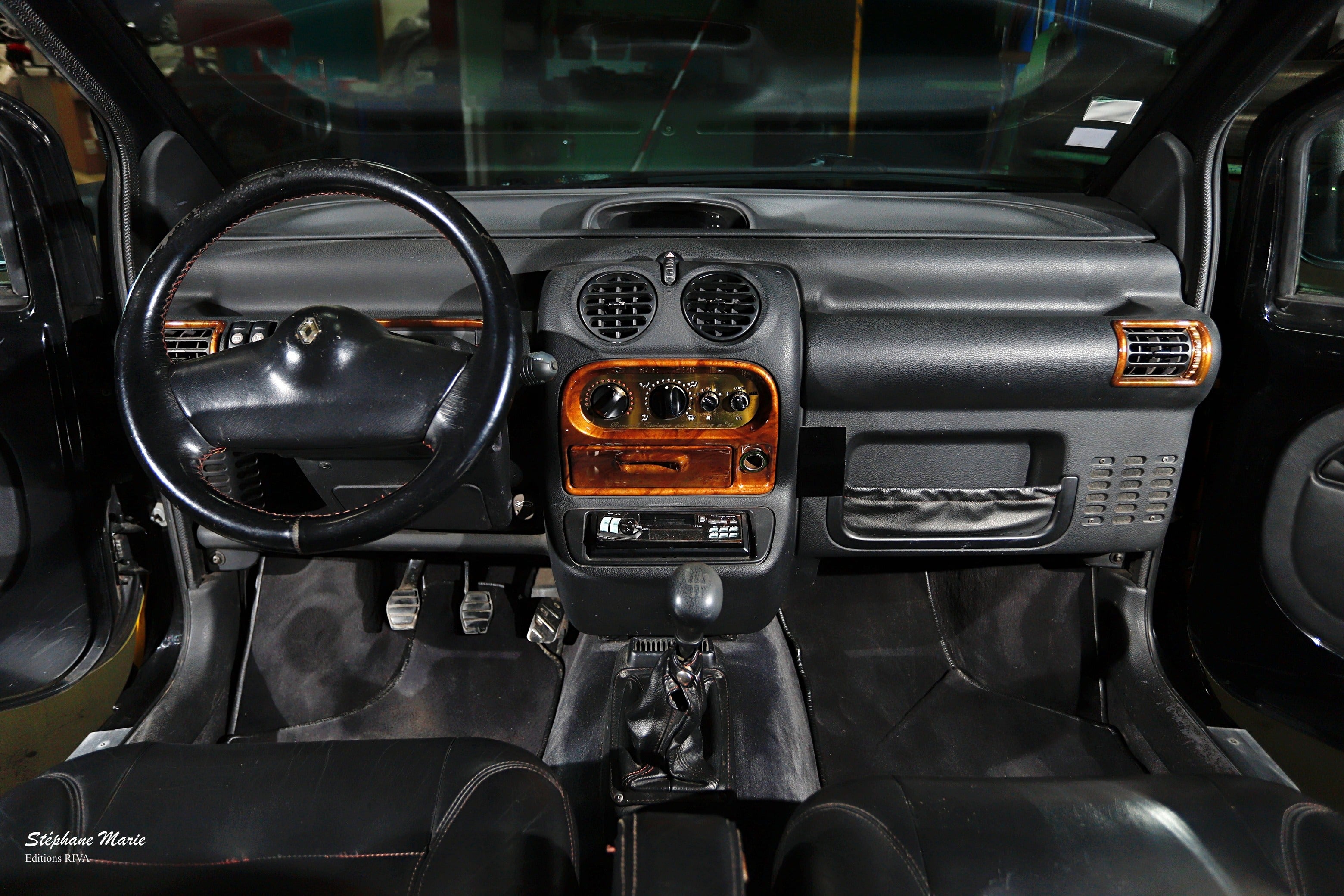
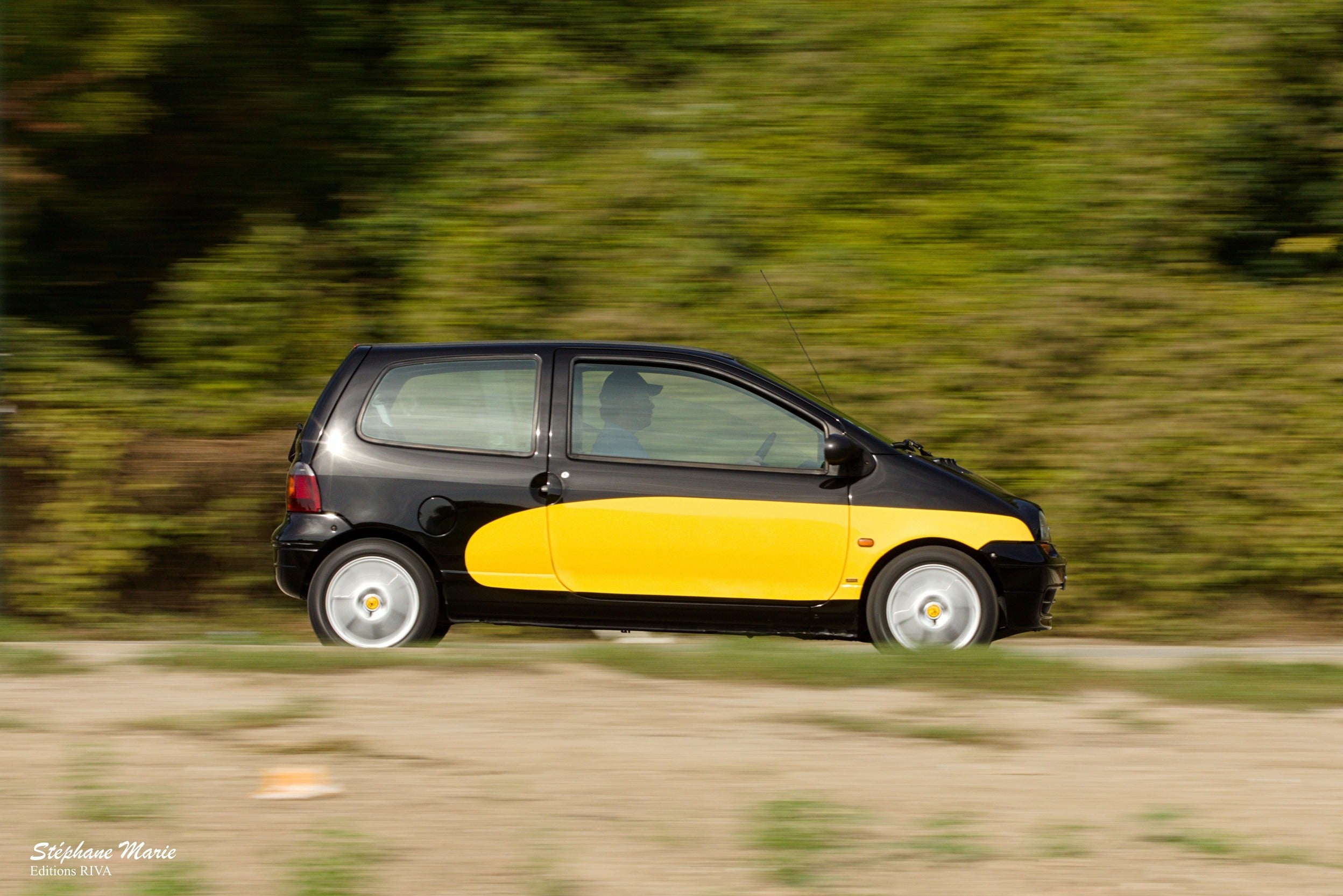
This special edition was not a Renault initiative, but rather Lecoq's, although the carmaker approved the modifications to such an extent that today, Renault Classic has a specimen in its reserves in Flins: it was presented at Rétromobile in 2023 for the 30th anniversary of the Twingo.
Just under 50 copies were manufactured, and it is estimated that only about ten remain in circulation.
This Lecoq Twingo charged a high price for its difference, as 75% of the initial price had to be added for these modifications. The price of exclusivity, certainly, but still.
The Lecoq Twingo was available with a 5-speed manual gearbox, or even with the Easy transmission. It came equipped with the 1.2-liter 55-horsepower engine. It is possible that some models at the end of the series may have been equipped with the 60-horsepower D7F 8-valve engine, but without certainty.